
How to Study the Miracles of Jesus (And What They Reveal About Who He Is)
Learn a simple framework for studying the miracles of Jesus in Scripture, reading each account in context and seeing what it reveals about who He is.
Learn a simple framework for studying the miracles of Jesus in Scripture, reading each account in context and seeing what it reveals about who He is.

The Old Testament Law stalls more Bible reading plans than any other section. Here is how to read it with context, purpose, and real confidence.

Acts tells us what the early church did, but not everything it did is a command. A calm, practical method for reading the narrative and applying it well.

Proverbs is wisdom literature, not a list of guarantees. Learn to read it by genre, compare translations, and apply it without inventing false promises.

The covenants are the thread holding Scripture together. Learn a simple five-question method for studying them across the whole Bible, Genesis to Gospels.
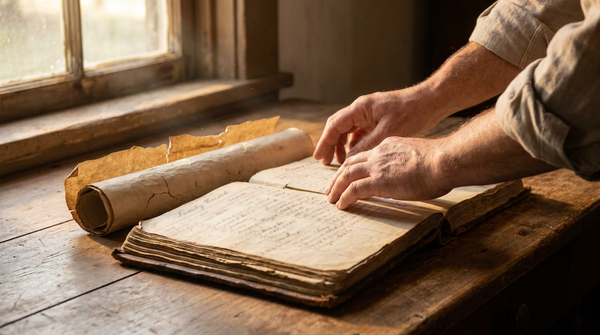
Biblical genealogies look like filler, but they carry promises, prove identity, and make arguments. Here is how to read them and what you have been missing.

Matthew, Mark, Luke and John describe the same Jesus in four distinct voices. Here is why those differences strengthen confidence in Scripture.

Revelation was written to strengthen pressured churches, not to fuel timelines. Four habits for reading it faithfully, plus a four-week plan to begin.

Two verses seem to say opposite things. Here is a calm, Scripture-first method for reading tension in the Bible without forcing an answer or walking away.

Most of us read Old Testament stories as moral lessons. Four questions that reveal what the text is actually doing — and the God at the center of it.

Learn a simple five-step method for doing a biblical word study — no Greek or Hebrew required — using translation comparison and Scripture itself.

Learn to read the New Testament epistles as real letters — whole, in context, and in order — with a simple four-step method for deeper study.