
What Scripture Says About Courage (And Why It Is Not the Absence of Fear)
Biblical courage shows up in the presence of fear, not its absence. See what Joshua, Esther, David, and Paul teach, plus a seven-day study plan.
Biblical courage shows up in the presence of fear, not its absence. See what Joshua, Esther, David, and Paul teach, plus a seven-day study plan.

Ephesians builds the house before asking anyone to live in it. Learn to read its two halves, notice where Paul prays, and study it in six sessions.

Scripture treats patience as strength under pressure, not passive waiting. A study of the two biblical words, their root in God's character, and how to grow it.

A practical guide to reading Colossians: the situation behind the letter, how its argument is built, and a two-week plan for working through it well.

Biblical peace is not the absence of trouble. See what Scripture means by peace, its three dimensions, the false peace it warns against, and how to study it.

Galatians is short, sharp, and urgent. Learn why Paul skipped his usual thanks, how the argument unfolds, and how to read the letter whole this week.

Asked to teach adult Sunday school with no training? Here is a Scripture-first method for preparing lessons, asking good questions, and leading the room.

Scripture commands joy even in sorrow. Learn what the Bible means by joy, how it differs from happiness, and how to cultivate it through Scripture study.

Esther never names God, yet He is everywhere in it. Learn how to read Esther for providence, reversal, and covenant promise, with practical study steps.
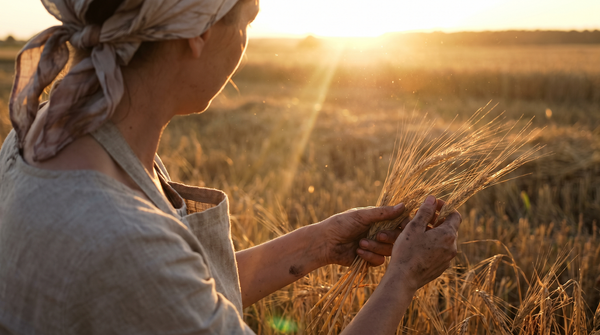
Ruth is often read as a romance. Read in context, it is a story about covenant faithfulness, redemption, and how God works through ordinary loyalty.

Biblical hospitality is more than entertaining guests. Explore what Scripture teaches about welcoming the stranger, and practical ways to grow in it.

Jonah is not mainly about a fish. Learn how to read all four chapters as one story about the mercy of God, and how to study the book slowly and well.